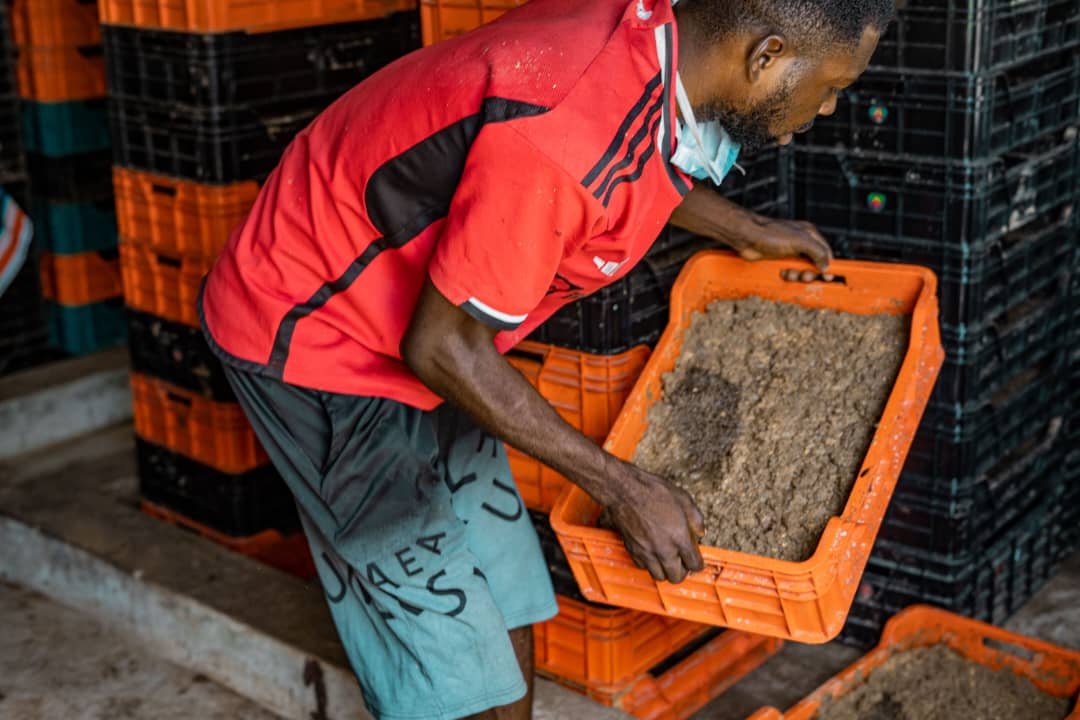

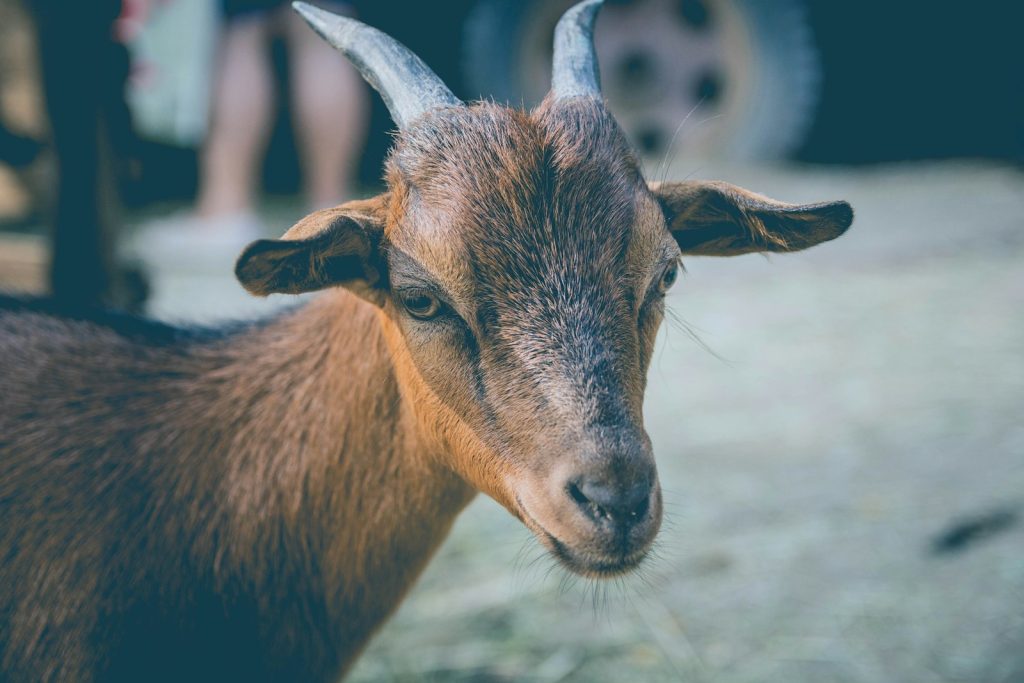
Nigeria’s small ruminant sector represents a cornerstone of rural livelihoods, with over 76 million goats contributing significantly to protein security and economic stability across the country. Yet goat farmers face persistent challenges: inadequate protein supplementation, seasonal feed shortages, and rising costs of conventional supplements. At JK Farms, our pioneering work in Black Soldier Fly (BSF) larvae production has revealed groundbreaking applications for small ruminant nutrition that are transforming goat farming practices across Nigeria.
Understanding BSF Larvae in Ruminant Nutrition
The application of BSF larvae in goat nutrition requires understanding the unique digestive physiology of ruminants compared to monogastric animals. Goats possess a complex four-chambered stomach system that efficiently processes fibrous materials through microbial fermentation, but often struggles with protein deficiencies, particularly during dry seasons when forage quality declines significantly.
JK Farms’ BSF larvae offer exceptional nutritional value specifically suited to small ruminant requirements. Our live larvae, containing 18-25% crude protein, provide readily available amino acids that complement the microbial protein synthesis occurring in the rumen. The balanced amino acid profile includes essential components like lysine, methionine, and threonine that are often limiting factors in tropical forage-based diets.
Our dried BSF larvae, concentrated to 45-50% crude protein, serve as powerful protein supplements that can effectively replace expensive imported protein meals. The fat content of 15-20% provides essential fatty acids and energy density particularly valuable for lactating does and growing kids. Unlike many conventional protein sources, BSF larvae contain antimicrobial compounds that support rumen health while providing natural disease resistance.
The calcium content naturally present in BSF larvae (3-5%) supports bone development and milk production without requiring additional mineral supplementation. The phosphorus levels complement this calcium availability, maintaining proper ratios essential for optimal mineral utilization in goats.
Optimal Feeding Strategies for Different Goat Categories
Successful BSF larvae integration requires understanding the distinct nutritional needs of different goat categories and adjusting supplementation strategies accordingly. Our experience training over 300 individuals in BSF technology has revealed optimal approaches for various production systems.
Growing kids require high-quality protein for rapid development and muscle formation. BSF larvae supplementation at 50-80 grams per head daily provides essential amino acids that complement milk nutrition and support smooth weaning transitions. Live BSF larvae work particularly well for kids, encouraging natural foraging behaviors while providing easily digestible protein. The feeding can begin as early as 3-4 weeks of age, introducing kids to solid protein sources gradually.
For optimal results, BSF larvae should be offered to kids in shallow feeding troughs, allowing natural pecking and consumption behaviors. This approach reduces competition and ensures even distribution among the group. Mixing dried BSF larvae with small amounts of ground grains creates attractive feed mixes that kids readily consume.
Lactating does represent the highest priority category for BSF larvae supplementation due to intense nutritional demands of milk production. Does producing 1-2 liters daily require 100-150 grams of dried BSF larvae per head daily to maintain body condition while supporting milk yield. The high-quality protein supports both milk production and maternal recovery following kidding.
Timing proves critical for lactating doe supplementation. Beginning BSF larvae feeding 2-3 weeks before expected kidding helps prepare does for lactation demands while supporting fetal development during the final growth phase. Continuing supplementation throughout lactation maintains consistent milk production and prevents excessive weight loss that can compromise future reproductive performance.
Breeding bucks benefit from BSF larvae supplementation during breeding seasons when nutritional demands increase significantly. Providing 80-120 grams daily during active breeding periods supports sperm production and maintains breeding vigor. The natural fatty acids present in BSF larvae contribute to reproductive hormone production while supporting overall body condition.
Dry does and wethers require lower supplementation rates, typically 30-50 grams daily, focused on maintaining body condition and supporting immune function. This baseline supplementation proves particularly valuable during dry seasons when forage quality declines substantially.
Pregnant does during the final trimester benefit from increased BSF larvae supplementation at 80-100 grams daily to support rapid fetal growth and prepare for lactation demands. This targeted supplementation improves kid birth weights and reduces kidding complications.
Implementation Success Stories from Nigerian Farmers
Alhaji Musa’s Operation in Katsina State showcases BSF larvae benefits in traditional Sahel region farming systems. Managing 150 mixed-breed goats in semi-intensive systems, he faced consistent challenges during dry seasons when natural forage provided inadequate nutrition. Implementation of BSF larvae supplementation at 60 grams per head daily during critical periods transformed his operation’s productivity.
The most dramatic improvement came in reproductive performance. Kidding rates increased from 1.3 to 1.7 kids per doe annually, while kid mortality dropped from 18% to 8%. The combination of improved nutrition and enhanced immune function created healthier, more resilient animals capable of thriving in challenging environments.
Mrs. Adunni’s Farm in Oyo State demonstrates BSF larvae applications in intensive goat production systems. Her 80-head operation focuses on improved breeds producing for urban milk markets. Before BSF larvae integration, feed costs represented 65% of operational expenses, with imported protein supplements driving costs beyond profitability.
Replacing 40% of expensive protein concentrates with locally-produced BSF larvae reduced feed costs by 22% while maintaining production levels. Milk yields remained stable at 1.8 liters per doe daily, but profit margins improved substantially due to reduced input costs. The natural antimicrobial properties of BSF larvae reduced disease incidence, lowering veterinary expenses by an estimated 30%.
Economic Analysis and Return on Investment
Understanding the economic implications of BSF larvae supplementation requires comprehensive analysis that considers direct costs, performance improvements, and long-term sustainability benefits. Nigerian goat farmers operate within tight economic constraints, making cost-effectiveness analysis critical for adoption decisions.
Direct supplementation costs for BSF larvae vary based on inclusion rates and goat categories. A typical lactating doe receiving 120 grams daily of dried BSF larvae at ₦450 per kilogram incurs daily costs of ₦54. Over a 120-day lactation period, total supplementation costs reach ₦6,480 per doe. While this appears substantial for smallholder farmers, the return on investment analysis reveals compelling benefits.
Improved milk production represents the most immediate economic benefit. Does receiving BSF larvae supplementation typically maintain peak production 3-4 weeks longer than unsupplemented animals. An additional 30 liters of milk production valued at ₦200 per liter generates ₦6,000 additional revenue, nearly offsetting supplementation costs before considering other benefits.
Enhanced reproductive performance provides substantial long-term economic returns. Increasing kidding rates from 1.3 to 1.6 kids per doe annually represents 0.3 additional kids valued at ₦8,000-12,000 each. This improvement alone generates ₦2,400-3,600 additional annual revenue per doe, easily justifying supplementation costs.
Reduced mortality rates contribute significant economic benefits often overlooked in basic cost analyses. BSF larvae’s immune-supporting properties typically reduce kid mortality by 5-8 percentage points. For a 50-doe operation producing 75 kids annually, reducing mortality from 15% to 8% saves 5.25 kids worth ₦42,000-63,000 annually.
Growth rate improvements create additional economic value through earlier market entry and reduced maintenance costs. Kids reaching market weights 4-6 weeks earlier reduce feeding costs while improving cash flow. A kid consuming ₦100 daily in maintenance feed saves ₦2,800-4,200 through accelerated growth, while earlier sales improve cash flow management.
Market premium opportunities for naturally-raised goat products provide additional revenue potential. Urban consumers increasingly seek products from animals fed natural diets, often paying 10-20% premiums for such products. BSF larvae supplementation allows farmers to market their products as naturally-raised, accessing these premium market segments.
The stability of local BSF larvae production protects farmers from price volatility affecting imported protein supplements. Conventional protein sources experience 20-40% price fluctuations based on foreign exchange rates and import availability. Locally-produced BSF larvae maintain relatively stable pricing, enabling better financial planning and risk management.
Long-term sustainability considerations include environmental benefits that position farms favorably for future certification programs and market access requirements. International buyers increasingly require sustainability certifications, making BSF larvae integration a strategic investment for export-oriented operations.
Integration with Traditional Feeding Systems
Successful BSF larvae adoption requires understanding and respecting traditional goat feeding systems while introducing improvements that enhance rather than replace existing practices. Nigerian goat farmers possess generations of accumulated knowledge about local conditions, seasonal patterns, and animal behavior that must be incorporated into modern supplementation strategies.
Traditional browsing systems allow goats to select diverse plant materials that provide balanced nutrition during favorable seasons. BSF larvae supplementation complements this natural selection by providing consistent protein availability during periods when browse quality declines. Rather than replacing browsing, BSF larvae enable goats to maintain performance during challenging seasons while continuing traditional feeding behaviors.
Seasonal supplementation strategies align BSF larvae feeding with traditional farming calendars. During wet seasons when browse quality peaks, minimal BSF larvae supplementation maintains baseline nutrition while reducing costs. As dry seasons progress and forage quality declines, increased BSF larvae inclusion compensates for nutritional deficits without requiring major management changes.
Integration with traditional concentrate feeding practices proves particularly effective. Many Nigerian goat farmers provide small amounts of grain or agricultural byproducts during critical periods. Mixing dried BSF larvae with these familiar ingredients creates nutrient-dense supplements that goats readily accept while maintaining traditional feeding routines.
Traditional feeding schedules accommodate BSF larvae supplementation effectively. Most Nigerian goat farmers provide supplemental feeding during morning and evening periods when animals return from browsing. BSF larvae can be incorporated into these established routines without requiring additional labor or management complexity.
Community knowledge systems support BSF larvae adoption when properly integrated with traditional practices. Farmer-to-farmer knowledge transfer proves most effective when BSF larvae benefits are demonstrated within familiar management systems. Training programs that build upon traditional knowledge while introducing scientific principles achieve highest adoption rates.
Health and Welfare Benefits
BSF larvae supplementation provides numerous health and welfare benefits beyond basic nutrition that contribute significantly to overall goat performance and farm sustainability. These benefits often prove more valuable than direct nutritional contributions, particularly in challenging production environments.
Immune system enhancement represents one of the most significant health benefits of BSF larvae supplementation. The antimicrobial peptides naturally present in BSF larvae support disease resistance while promoting beneficial gut bacteria populations. This natural immune support reduces disease incidence and associated treatment costs while improving overall animal welfare.
Digestive health improvements result from BSF larvae’s prebiotic effects and high digestibility. Goats receiving BSF larvae supplementation typically exhibit improved fiber digestion and enhanced nutrient absorption from low-quality roughages. This digestive enhancement proves particularly valuable during dry seasons when forage quality declines significantly.
Stress reduction benefits emerge from BSF larvae’s natural feeding stimulation and nutritional security. Well-nourished goats exhibit calmer behaviors and improved stress tolerance, leading to better performance under challenging conditions. This stress reduction proves particularly important during seasonal transitions and management changes.
Reproductive health benefits include improved conception rates, reduced kidding complications, and enhanced maternal performance. The balanced nutrition provided by BSF larvae supports reproductive hormone production while maintaining body condition during demanding reproductive cycles.
Coat quality and general appearance improvements often provide the first visible indicators of BSF larvae supplementation benefits. Goats receiving adequate BSF larvae supplementation typically develop shinier, healthier coats that indicate improved overall nutrition and health status.
Future Opportunities and Expansion
The application of BSF larvae in Nigerian goat farming represents only the beginning of broader opportunities for sustainable small ruminant production systems. JK Farms’ position as Nigeria’s largest BSF larvae producer with 1.5 metric tonnes daily capacity enables us to support expanding applications while continuing research into optimal utilization strategies.
Sheep farming applications present immediate expansion opportunities given similar nutritional requirements and management systems. The success demonstrated in goat operations translates directly to sheep production, with similar supplementation strategies and expected benefits. Nigeria’s 43 million sheep population represents substantial market potential for BSF larvae applications.
Integrated farming systems combining BSF larvae production with small ruminant operations create synergistic benefits that maximize resource utilization while minimizing external inputs. Farms can utilize goat manure and organic waste to support BSF larvae production while using larvae and organic fertilizer to enhance overall farm productivity.
Value-added product development opportunities include BSF larvae-based complete feeds and supplements specifically formulated for different goat production systems. These products can simplify supplementation while ensuring optimal nutrition for farmers lacking technical expertise in ration formulation.
Training and consultation services continue expanding as more farmers recognize BSF larvae benefits. JK Farms’ comprehensive training programs, having already educated over 300 individuals, position us to support nationwide adoption of BSF larvae technology in small ruminant operations.
Research collaborations with agricultural institutions and universities create opportunities to further optimize BSF larvae applications while documenting benefits through scientific studies. This research foundation supports broader adoption while building credibility within Nigeria’s agricultural development community.
Building Sustainable Small Ruminant Systems
BSF larvae integration in Nigerian goat farming represents a fundamental shift toward sustainable, locally-controlled agricultural systems that enhance rather than replace traditional farming wisdom. Through continued innovation, comprehensive training, and dedicated farmer support, JK Farms remains committed to leading this transformation while respecting the cultural and economic importance of small ruminant farming in Nigerian society.
Our consultation services help farms of all sizes evaluate BSF larvae integration opportunities, develop implementation strategies, and optimize supplementation protocols for their specific circumstances and goals. This comprehensive support ensures successful adoption while building technical capacity within Nigeria’s small ruminant sector.
The organic fertilizer produced as a byproduct of BSF larvae production creates additional value streams for integrated operations. This high-quality fertilizer supports forage and crop production, creating synergies between livestock and crop operations that strengthen overall farm sustainability and profitability.
As Nigeria’s pioneering BSF larvae producer, JK Farms stands ready to support the country’s transition toward sustainable small ruminant production systems. Our experience, technical expertise, and commitment to farmer success position us as the ideal partner for operations seeking to harness the transformative power of Black Soldier Fly larvae in goat farming.
The future of Nigerian small ruminant farming lies in sustainable, locally-controlled protein production systems that respect traditional knowledge while embracing scientific innovation. BSF larvae provide the foundation for this evolution, offering superior nutrition, economic benefits, and environmental sustainability that conventional supplements cannot match.
Contact JK Farms today to discover how Black Soldier Fly larvae can transform your goat operation’s productivity, profitability, and long-term sustainability. Together, we’re building the future of Nigerian small ruminant farming, one farm at a time, while honoring the rich traditions that have sustained rural communities for generations.