
Nigeria’s aquaculture industry is experiencing rapid growth, driven by rising demand for affordable animal protein and government-backed initiatives to boost local fish production. Among the most farmed species are catfish and tilapia, both integral to Nigerian diets and livelihoods. However, feed costs remain a major challenge, often accounting for up to 70% of total production expenses. In this context, Black Soldier Fly (BSF) larvae have emerged as a powerful, sustainable, and cost-effective solution—one that JK Farms is championing across the country.
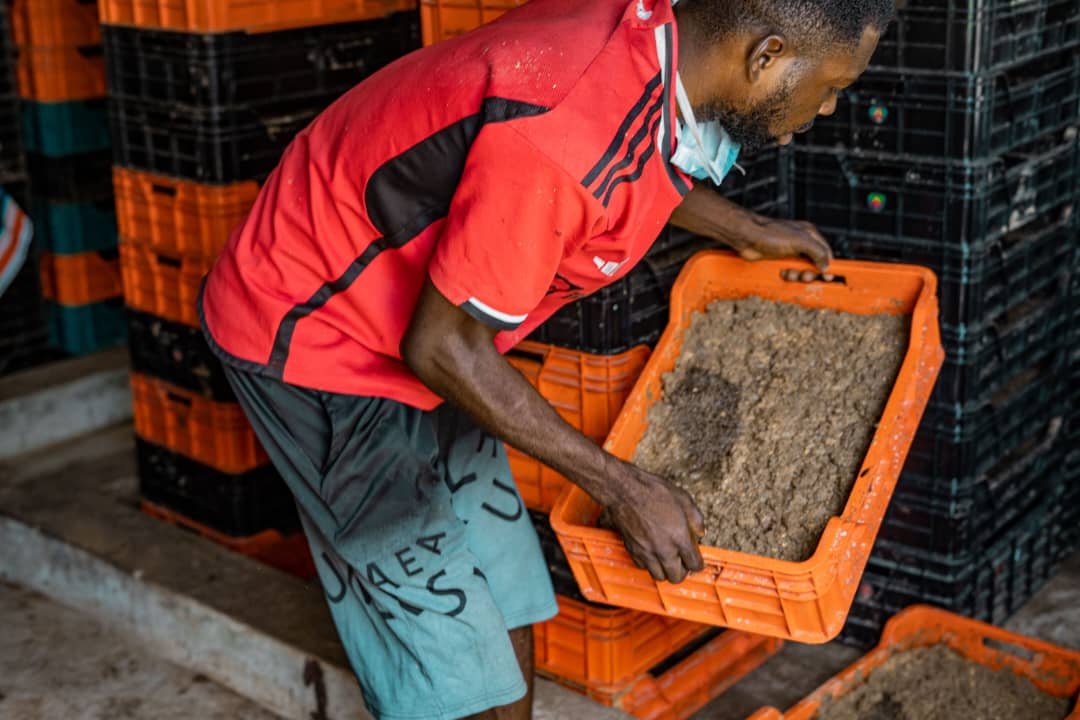
As a pioneer in BSF larvae production, JK Farms, founded in February 2022, has become one of Nigeria’s leading sustainable agriculture enterprises. With a daily capacity of 1.5 metric tonnes, the farm not only supplies BSF larvae for animal feed but also offers training, consultations, and organic fertilizers to strengthen Nigeria’s agricultural resilience. This blog explores how BSF larvae are revolutionizing fish farming in Nigeria and how JK Farms is helping aquaculture ventures unlock their full potential.
The Role of BSF Larvae in Aquaculture
Black Soldier Fly (BSF) larvae are nutrient-rich insects that feed on organic waste and convert it into high-quality protein and fats, making them an eco-friendly and sustainable feed option. Their nutritional profile aligns closely with the needs of farmed fish, especially carnivorous and omnivorous species like catfish and tilapia.
Nutritional Composition of BSF Larvae:
- Crude Protein: 40–45%
- Lipids: 25–35%
- Essential amino acids: Lysine, methionine, threonine, and others
- Minerals: Calcium, phosphorus, and trace elements
This makes BSF larvae an excellent substitute for traditional feed ingredients such as fishmeal and soybean meal, both of which are subject to price volatility, environmental concerns, and import dependency.
Benefits of BSF Larvae in Fish Diets
1. Cost Efficiency
BSF larvae are significantly cheaper than fishmeal, the gold standard in aquafeed protein sources. JK Farms produces BSF larvae locally at competitive prices, which translates to substantial savings for fish farmers.
2. Improved Growth Performance
Studies and field trials at JK Farms show that fish fed with BSF-enriched diets experience better growth rates and higher feed conversion ratios (FCRs). This means farmers get more fish mass per unit of feed—leading to better profitability.
3. Enhanced Fish Health
BSF larvae are rich in lauric acid, a fatty acid with proven antimicrobial properties. This helps reduce the incidence of diseases, particularly in crowded or stress-prone aquaculture systems.
4. Environmental Sustainability
Using BSF larvae supports a circular economy. They are reared on organic waste, reducing environmental pollution while creating a high-value protein source. This aligns with Nigeria’s push toward sustainable agricultural practices.
Focus on Catfish and Tilapia: Why BSF Works
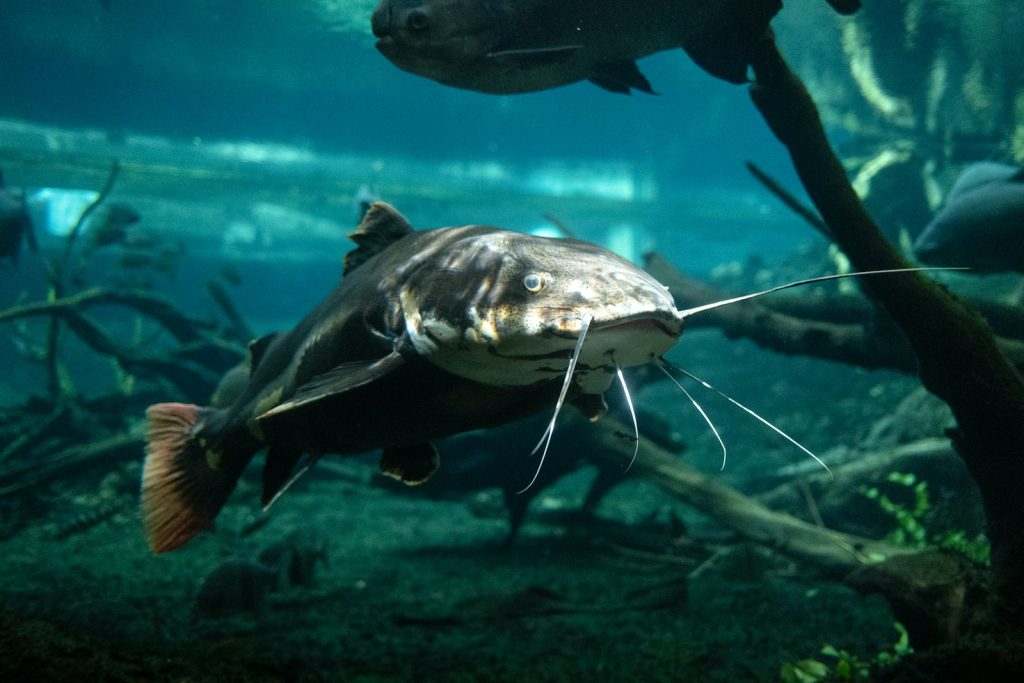
Catfish (Clarias gariepinus)
Catfish is Nigeria’s most farmed fish species due to its fast growth, high market demand, and resilience. It thrives on high-protein diets, traditionally comprising fishmeal.
BSF larvae offer a viable substitute for fishmeal in catfish diets:
- Improves weight gain
- Reduces feed cost
- Enhances overall feed efficiency
JK Farms’ field trials showed that replacing 30% of fishmeal with BSF larvae resulted in a 13% improvement in weight gain over a 90-day grow-out cycle.
Tilapia (Oreochromis niloticus)
Tilapia is an omnivorous fish with a more flexible diet. It adapts well to plant-based feeds, but protein is still essential, especially during the early growth stages.
BSF larvae can enhance tilapia performance by:
- Boosting protein intake during juvenile and grow-out phases
- Supporting healthy gut microbiota
- Reducing feed cost while maintaining marketable size and taste
Recommended Inclusion Rates and Feeding Methods
The effectiveness of BSF larvae in aquaculture depends on proper inclusion rates and feeding practices. JK Farms recommends the following based on research and field applications:
Inclusion Rates
- Catfish: 20–30% BSF larvae meal (as partial replacement for fishmeal)
- Tilapia: 10–20% BSF larvae meal in grower and finisher feeds
These rates ensure that fish receive the optimal protein content without compromising palatability or digestibility.
Feeding Methods
BSF larvae can be fed in different forms:
- Fresh larvae: Ideal for small-scale farms; should be rinsed and offered directly or dried for longer shelf life.
- Dried larvae meal: More stable and suitable for feed formulation; can be pelletized for large-scale use.
- Blended feeds: BSF larvae meal can be mixed with maize, cassava peels, groundnut cake, or wheat offals to create a balanced, cost-effective feed.
JK Farms offers customized formulations and guidance on mixing techniques to suit different farming scales and production goals.
Research Findings from JK Farms: Boosting Performance and Profit
JK Farms, in collaboration with aquaculture experts and research institutions, has conducted numerous trials to validate the efficacy of BSF larvae in fish diets. Some notable findings include:
Growth Performance
- In a 12-week trial with 200 juvenile catfish, a diet containing 25% BSF larvae meal showed:
- 18% higher weight gain
- 10% lower FCR
- Comparable survival rate to fishmeal-based diets
- 18% higher weight gain
Tilapia Growth Results
- A 10-week trial with 300 tilapia juveniles showed:
- 15% faster growth
- Better coloration and muscle texture
- Reduced incidence of skin lesions and infections
- 15% faster growth
Health and Immunity
- Fish fed BSF-inclusive diets demonstrated:
- Higher levels of gut microbiota diversity
- Increased resistance to common pathogens
- Lower need for antibiotics and medications
- Higher levels of gut microbiota diversity
These results underscore BSF larvae’s potential to enhance not just productivity but also the sustainability of Nigeria’s aquaculture sector.
How to Integrate BSF Larvae into Your Existing Fish Feed Regimen
Transitioning to BSF larvae feed is straightforward, especially with JK Farms’ support systems. Here’s a step-by-step guide:
1. Assess Your Current Feed Formula
Evaluate the percentage of fishmeal or soybean meal currently in use. This will help determine how much BSF larvae meal to substitute without disrupting nutritional balance.
2. Choose the Right Form
Depending on your farm size and processing capacity, you can opt for:
- Fresh larvae (ideal for daily feeding)
- Dried whole larvae (easy to store and use)
- Processed larvae meal (for making your own pellets)
3. Mix with Local Ingredients
BSF larvae meal blends well with other locally sourced ingredients like maize bran, rice husks, or palm kernel cake. JK Farms provides formulation guides and technical support for balanced rations.
4. Pilot Small Batches
Start by introducing BSF larvae in a subset of your fish stock and monitor:
- Growth rate
- Feed intake
- Health status
This allows you to fine-tune the mix before scaling up.
5. Consult JK Farms
Whether you’re an existing farmer or just starting out, JK Farms offers:
- One-on-one consultation to develop customized feed plans
- On-site training on BSF integration
- Supply of larvae in bulk (fresh or processed)
- Formulation tools to ensure nutrient targets are met
JK Farms: Pioneering Sustainable Aquaculture in Nigeria
JK Farms has positioned itself not just as a BSF larvae producer, but as a catalyst for sustainable aquaculture in Nigeria. Since its inception, the farm has:
- Trained over 300 individuals in BSF production and integration
- Partnered with fish farmers across states like Lagos, Ogun, Oyo, and Anambra
- Developed tailored feed strategies for small, medium, and commercial fish farms
- Helped farmers cut feed costs by up to 35% while boosting yields
Their vertically integrated approach—from waste conversion to larvae production to feed consultation—ensures quality, consistency, and impact.
Final Thoughts: The Future of Fish Farming Is Insects
As Nigeria works to close its fish production gap and reduce dependence on imports, innovative, sustainable, and affordable feed sources like BSF larvae will be crucial. With its high protein content, low cost, and environmental benefits, BSF larvae are not just an alternative—they are the future.
Thanks to JK Farms, fish farmers across Nigeria now have the tools, training, and supply network to make that future a reality. Whether you’re farming catfish in Delta or tilapia in Ogun, it’s time to consider BSF larvae as your next competitive edge.
📞 Ready to Try BSF for Your Fish Farm?
Contact JK Farms today for bulk orders, consultations, or to join one of their hands-on training sessions. Let’s feed Nigeria—sustainably.