
How Black Soldier Fly Larvae Strengthen Immune Function and Reduce Disease in Nigerian Livestock
In Nigerian livestock production, disease outbreaks can devastate profitability and threaten food security. As antibiotic resistance grows and consumers demand more natural farming practices, livestock producers are seeking sustainable alternatives to maintain animal health. Black Soldier Fly (BSF) larvae, beyond their impressive nutritional profile, offer remarkable immune-boosting properties that can help animals naturally resist common diseases. At JK Farms, we’ve documented these benefits across multiple livestock species and collaborated with farmers throughout Nigeria to implement effective immune-support feeding strategies.
The Immune-Enhancing Components of BSF Larvae
What makes BSF larvae such powerful immune modulators? The answer lies in their unique biochemical composition, which includes several compounds with proven immunostimulatory effects:
1. Chitin and Chitosan
The exoskeleton of BSF larvae contains chitin, a long-chain polymer that functions similarly to fiber in the digestive system. When partially digested, chitin breaks down into chitosan and chitooligosaccharides.
“These compounds interact with immune receptors in the gut, triggering enhanced immune surveillance and responsiveness,” explains Dr. Funmilayo Adeleke, Veterinary Consultant at JK Farms. “This primes the immune system to respond more effectively to potential pathogens.”
Research conducted in collaboration with the Federal University of Technology Akure shows that feeding JK Farms’ BSF larvae to broilers resulted in a 22% increase in immunoglobulin levels compared to control groups, indicating improved immune function.
2. Antimicrobial Peptides
BSF larvae naturally produce antimicrobial peptides (AMPs) as part of their own defense mechanism against pathogens. These AMPs, including defensins and cecropins, remain biologically active in properly processed larvae.
“The AMPs in BSF larvae have broad-spectrum activity against both gram-positive and gram-negative bacteria,” notes Dr. Adeleke. “They create multiple small perforations in bacterial cell membranes, leading to cell death without triggering resistance mechanisms.”
Analysis of JK Farms’ dried BSF larvae confirmed the presence of seven distinct antimicrobial peptides with activity against common livestock pathogens, including E. coli, Salmonella, and Staphylococcus species.
3. Medium-Chain Fatty Acids
BSF larvae contain significant amounts of medium-chain fatty acids (MCFAs), particularly lauric acid, which comprises approximately 40% of the total fat content. These fatty acids have well-documented antimicrobial properties.
“Lauric acid disrupts bacterial cell membranes and has shown particular effectiveness against gram-positive bacteria,” Dr. Adeleke explains. “It provides a natural alternative to antibiotic growth promoters banned in many countries.”
4. Prebiotic Components
The partially digestible chitin and other fiber components in BSF larvae act as prebiotics in the digestive tract, selectively promoting beneficial bacteria growth.
“A healthy gut microbiome is fundamental to immune function,” says Oluwaseun Adekoya, JK Farms’ Nutrition Specialist. “BSF larvae create favorable conditions for beneficial bacteria like Lactobacillus and Bifidobacterium species, which outcompete pathogens and reinforce gut barrier function.”
Our microbial profiling studies show that livestock fed BSF-supplemented diets maintain higher populations of beneficial bacteria, even during stress periods that typically disrupt gut microbial balance.
Observed Immune Benefits Across Livestock Species
At JK Farms, we’ve documented species-specific immune benefits across different livestock commonly raised in Nigeria:
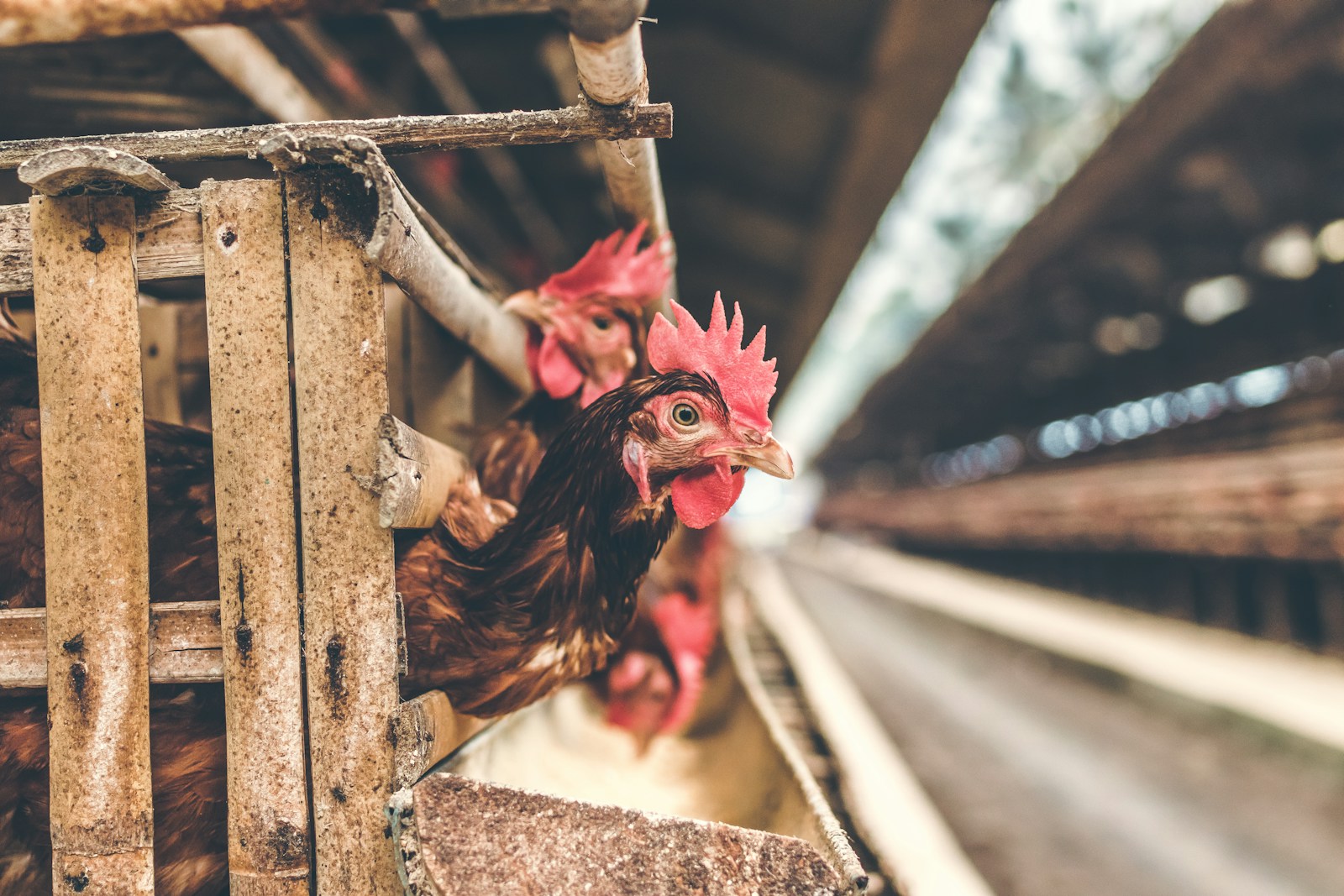
Poultry Immune Enhancement
Chickens supplemented with BSF larvae show remarkable improvements in disease resistance. In controlled trials with local farmers, broilers receiving 7% BSF larvae in their diet demonstrated:
- 27% reduction in mortality rates during typical disease challenge periods
- 35% decrease in respiratory symptoms during seasonal pathogen pressures
- Significantly improved vaccine response (measured by antibody titers)
- Reduced intestinal lesion scores following coccidiosis exposure
Mrs. Blessing Oluwatoyin, a poultry farmer from Ilesha who sources BSF larvae from JK Farms, reports: “Before incorporating BSF larvae, I struggled with recurring respiratory infections in my flock. Since adding the larvae to their feed, disease outbreaks have become rare, and when they do occur, fewer birds are affected and they recover faster.”
Piglet Immunity During Weaning
The weaning period represents a critical immunological challenge for piglets. Our trials with pig farmers across Ondo and Osun states show that BSF larvae supplementation during this period:
- Reduces post-weaning diarrhea incidence by approximately 40%
- Maintains weight gain during immune challenges
- Improves intestinal morphology, with longer villi and deeper crypts
- Reduces inflammatory markers in blood samples
“Weaning stress typically suppresses immunity when piglets need it most,” explains Dr. Adeleke. “BSF larvae provide targeted immune support during this vulnerable period, reducing the need for therapeutic antibiotics.”
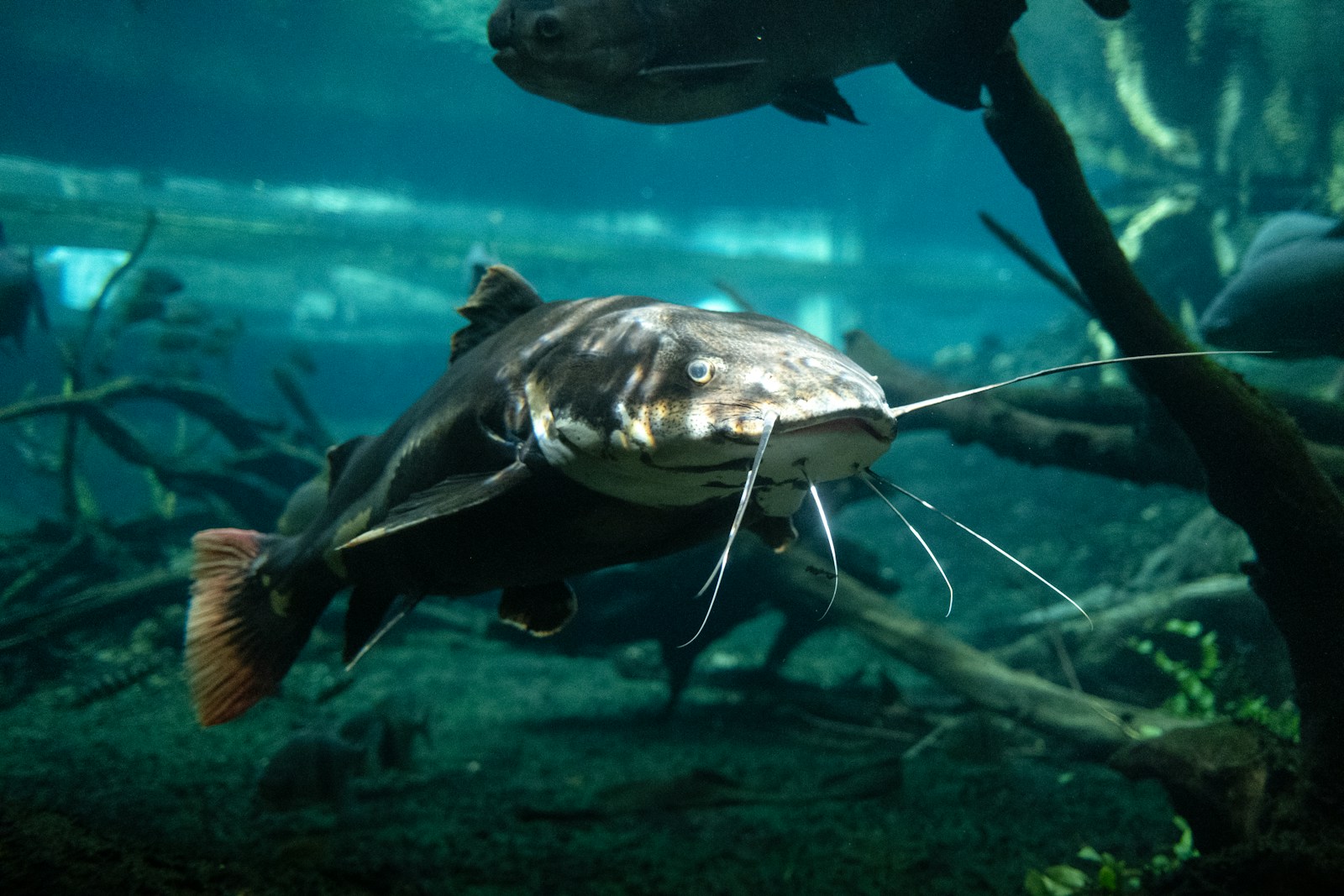
Fish Disease Resistance
In aquaculture applications, BSF larvae have shown remarkable ability to enhance disease resistance in catfish and tilapia—staples of Nigerian fish farming:
- Enhanced mucus production, the first line of defense against waterborne pathogens
- Increased lysozyme activity, an important antimicrobial enzyme
- Improved survival rates during bacterial challenges
- Stronger inflammatory responses to infection without damaging oxidative stress
Ibrahim Musa, JK Farms’ Aquaculture Specialist, notes: “Fish farmers using our BSF larvae supplement report significantly reduced mortality during seasonal disease pressures, particularly in the rainy season when disease challenges typically peak.”
Practical Application for Nigerian Farmers
Based on these findings, here are practical guidelines for Nigerian livestock farmers looking to leverage the immune-enhancing properties of BSF larvae:
1. Strategic Timing for Maximum Impact
Rather than permanent high-level inclusion, targeted application during vulnerable periods often provides the best return on investment:
- For poultry: Supplement during the first 2 weeks of life when maternal antibodies are waning, and again during anticipated stress periods (vaccination, extreme weather, transportation)
- For pigs: Concentrate BSF supplementation in late pregnancy (for transfer of immunity through colostrum) and during the weaning transition
- For fish: Increase BSF inclusion rates 2 weeks before anticipated seasonal disease pressures and during water quality challenges
2. Appropriate Inclusion Rates for Immune Benefits
Our research indicates that immune benefits often require different inclusion rates than those optimized purely for growth performance:
- Poultry: 5-8% inclusion rate for immune enhancement
- Piglets: 6-10% during weaning transition
- Grow-finish pigs: 3-5% maintenance level
- Fish: 8-12% during immune challenge periods
3. Complementary Management Practices
BSF larvae work best as part of a comprehensive health management approach:
- Maintain appropriate biosecurity measures
- Ensure adequate vitamin and mineral nutrition, particularly zinc, selenium, and vitamin E
- Reduce environmental stressors that can suppress immune function
- Monitor fecal consistency as an early indicator of gut health status
4. Processing Considerations for Maximum Bioactivity
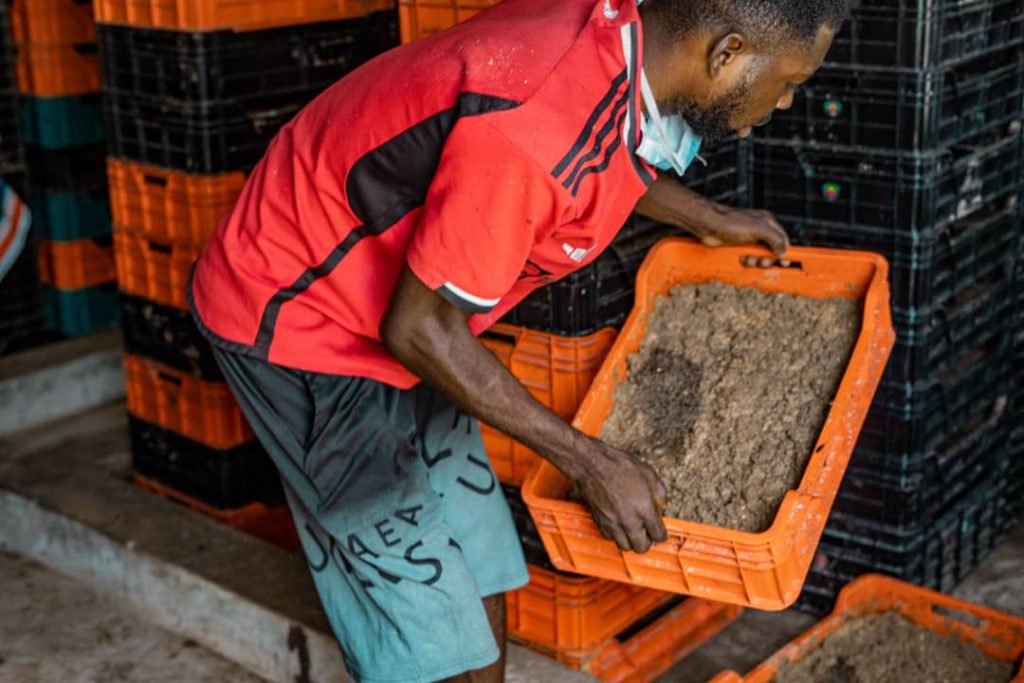
The immune-active components in BSF larvae are somewhat sensitive to processing conditions. JK Farms has optimized processing methods to preserve these valuable compounds:
- Controlled drying temperatures below 70°C to preserve antimicrobial peptides
- Minimal oxidation exposure to maintain fatty acid bioactivity
- Appropriate particle size to optimize gut interaction
Economic Benefits of Improved Immunity
The economic impact of enhanced immunity extends far beyond reduced medication costs:
- Decreased Mortality: Even modest reductions in mortality significantly improve profitability, particularly in poultry where margins are often tight.
- Improved Feed Conversion: Animals fighting infections divert energy from growth to immune function. By enhancing natural immunity, more nutrients go toward productive purposes.
- Reduced Treatment Costs: Preventative immune support reduces the frequency and severity of disease outbreaks requiring treatment.
- Labor Savings: Less time spent identifying, isolating, and treating sick animals.
- Market Advantages: Reduced antibiotic use aligns with growing consumer preferences for naturally raised livestock products.
Our economic modeling indicates that for typical Nigerian poultry operations, the return on investment for BSF larvae as an immune support strategy ranges from 3:1 to 5:1, depending on farm-specific factors.
Case Study: Reducing Antibiotics Through BSF Supplementation
Divine Farms, a mid-sized broiler operation in Akure, worked with JK Farms to implement a BSF-based immune support program with the goal of reducing antibiotic use. Over 12 months, the operation:
- Reduced prophylactic antibiotic use by 75%
- Decreased therapeutic antibiotic treatments by 62%
- Maintained identical growth performance
- Improved overall profitability by 8.3%
- Reduced mortality from 4.2% to 2.1%
Samuel Adewale comments: “We were spending increasing amounts on antibiotics with diminishing results. Since partnering with JK Farms and implementing their BSF larvae feeding program, our birds are healthier naturally, with lower medication costs and better performance.”
Conclusion: A Natural Path to Healthier Livestock
As Nigeria’s livestock sector faces growing challenges from disease pressure and restrictions on antibiotic use, BSF larvae offer a scientifically-validated, natural approach to enhancing animal immunity. The unique combination of antimicrobial peptides, chitin compounds, beneficial fatty acids, and prebiotic effects creates multi-layered immune support that addresses many common health challenges.
JK Farms remains committed to advancing both the science and practical application of BSF larvae for immune enhancement in Nigerian livestock. Through our ongoing research, farmer training programs, and high-quality larvae production, we aim to contribute to a more sustainable and profitable livestock sector with reduced dependency on antimicrobials.
For a personalized consultation on implementing BSF-based immune support strategies for your livestock operation, contact JK Farms at [contact information]. Our team can develop customized recommendations based on your specific livestock species, farm conditions, and health challenges.